
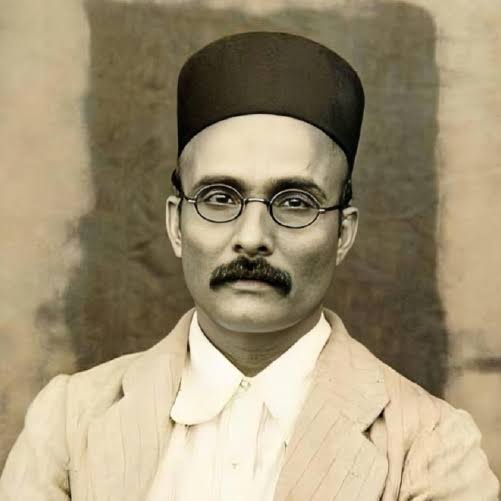
Vinayak Damodar Savarkar
Indian Politician, Activist, and Writer
🌍 Indian · Born May 28, 1883 · Died February 26, 1966
About
Vinayak Damodar Savarkar, commonly known as Veer Savarkar, was an influential Indian politician, activist, and writer who developed the Hindu nationalist ideology of Hindutva. Born in Bhagur, Nashik, Savarkar was a leading figure in the Indian independence movement against British colonial rule. He co-founded the Abhinav Bharat Society and was closely associated with the India House in London, advocating for armed revolution to achieve Indian independence. In 1910, Savarkar was arrested by British authorities for his revolutionary activities and sentenced to two life terms of imprisonment totaling fifty years at the notorious Cellular Jail in the Andaman and Nicobar Islands. During his incarceration, he wrote his influential work, Hindutva: Who is a Hindu?, outlining the tenets of Hindu nationalism. He was released in 1924 under strict conditions and later became a leading figure in the Hindu Mahasabha, serving as its president for several years. Savarkar advocated for a unified, secular state in some contexts but emphasized the cultural and political identity of Hindus, which he defined broadly to include anyone who regarded India as their fatherland and holy land. His legacy remains highly polarized in modern Indian politics, with supporters hailing him as a patriotic hero and critics questioning his mercy petitions to the British and his ideological stance. He passed away on February 26, 1966, after undertaking a self-declared fast unto death.
Intelligence Summary
Top Connections
Co-founded Abhinav Bharat
Established the Abhinav Bharat Society, a secret revolutionary organization dedicated to armed struggle against British rule.
Sentenced to Cellular Jail
Transported to the notorious Cellular Jail in the Andaman and Nicobar Islands after being sentenced to fifty years of imprisonment.
Published Hindutva
Published his seminal work, Hindutva: Who is a Hindu?, outlining his core nationalist ideology and cultural definitions.
Elected President of Hindu Mahasabha
Elected as the president of the Akhil Bharat Hindu Mahasabha, guiding its political direction during a critical pre-independence era.
Death by Fasting
Passed away in Bombay after initiating prayopavesha, a self-declared fast unto death, stating his life's mission was complete.
No organizations found.
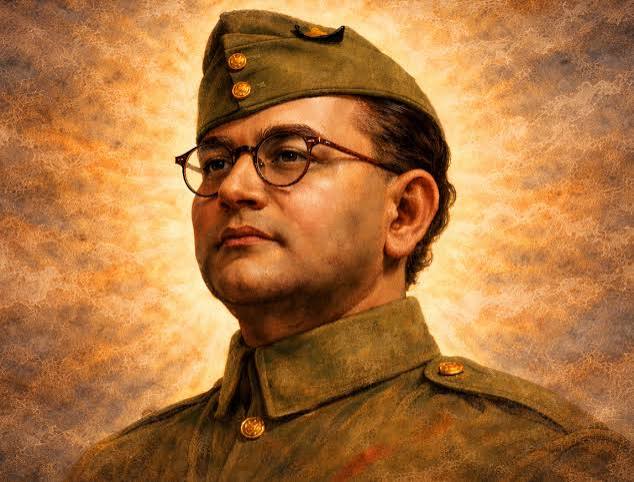
Subhas Chandra Bose
Leader of the Indian National Army and Indian Nationalist Leader
Auto-linked via import queue…
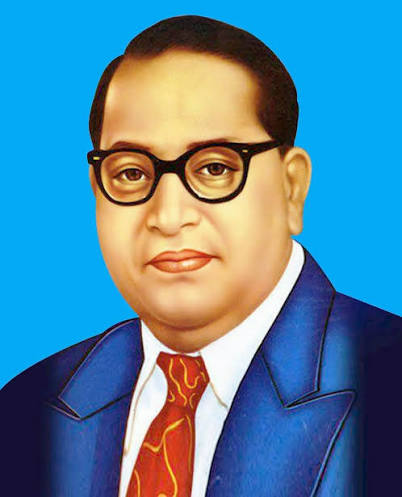
B. R. Ambedkar
Chief Architect of the Constitution of India and Social Reformer
Auto-linked via import queue…
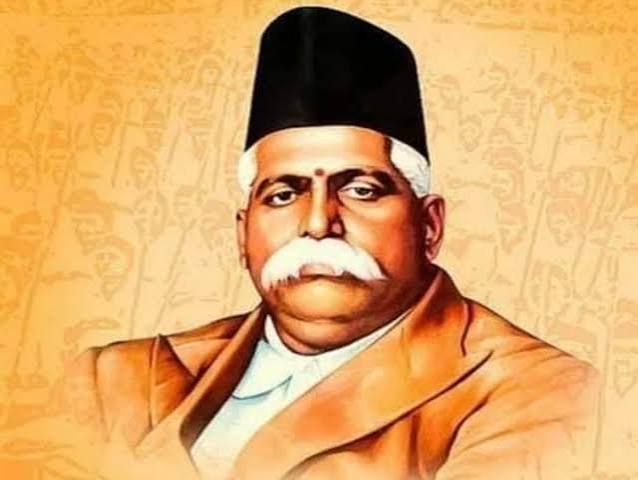
Keshav Baliram Hedgewar
Founder of the Rashtriya Swayamsevak Sangh (RSS)
Auto-linked via import queue…
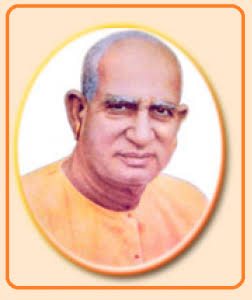
Mahant Digvijay Nath
Former Mahant of Gorakhnath Math and Indian Politician
Auto-linked via import queue…
All data sourced from verified public references.
Savarkar: Echoes from a Forgotten Past
Penguin Random House India