
Government of India
National Governing Authority of the Republic of India
🌍 Indian · Founded January 26, 1950
About
The Government of India, officially referred to as the Union Government or Central Government, is the supreme governing authority established by the Constitution of India to administer the Republic of India. Operating under a parliamentary democratic republic framework heavily inspired by the British Westminster system, it shares executive, legislative, and judicial powers across a federal structure. Its formal seat of power is located in New Delhi, the capital city of India. The governance machinery is distinctly organized into three independent branches: the Legislature, comprising the bicameral Parliament with the Lok Sabha and Rajya Sabha; the Executive, nominally headed by the President of India with real administrative power exercised by the Prime Minister and the Union Council of Ministers; and the Judiciary, topped by the Supreme Court of India. Established formally when India's constitution came into effect on January 26, 1950, transitioning the nation from a British dominion into an independent sovereign republic, the Government of India manages the administrative needs, defense, foreign policy, and socio-economic planning for the world's most populous democracy.
Intelligence Summary
Independence of India
The Dominion of India was established following the end of British colonial rule via the Indian Independence Act.
Adoption of the Constitution
The Constitution of India came into full effect, legally constituting the Government of India as a sovereign democratic republic.
First General Elections
The newly established republic held its first democratic general elections under universal adult suffrage.
42nd Constitutional Amendment
The Preamble was amended to explicitly define the nation as a sovereign, socialist, secular, democratic republic.
No organizations found.
Government of Gujarat
Supreme Governing Authority of Gujarat
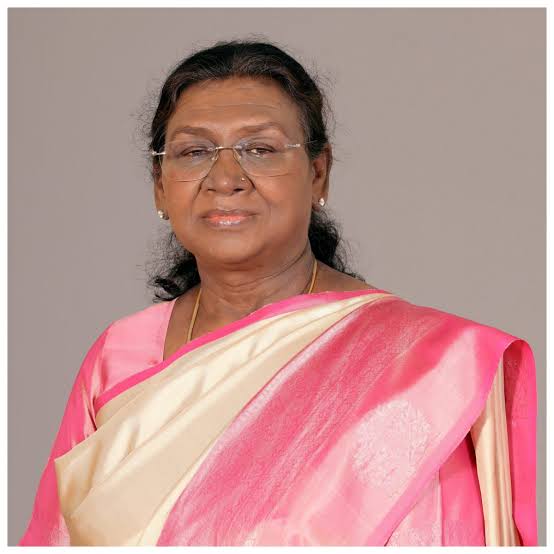
Droupadi Murmu
President of India
Auto-linked via import queue…
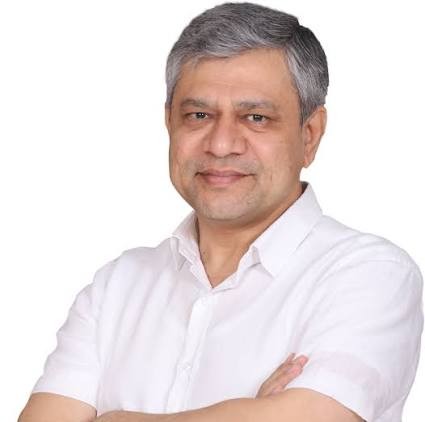
Ashwini Vaishnaw
Union Minister for Railways, I&B, and Electronics & IT of India
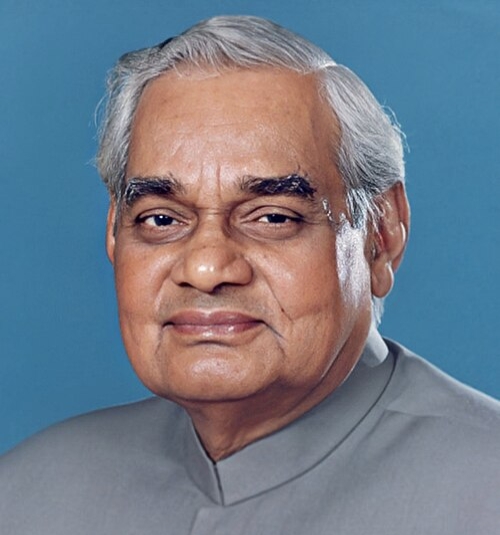
Atal Bihari Vajpayee
Atal Bihari Vajpayee was an Indian statesman and a poet who served as the prime minister of India, from 1998 to 2004
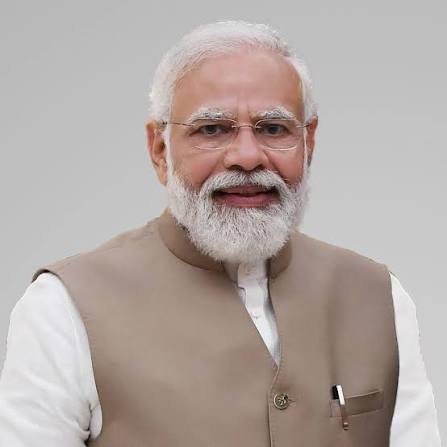
Narendra Modi
Narendra Damodardas Modi (born 17 September 1950) is an Indian politician who has served as the prime minister of India since 26 May 2014.
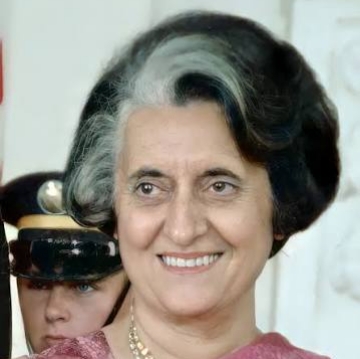
Indira Gandhi
Indira Priyadarshini Gandhi was an Indian stateswoman who served as the prime minister of India from 1966 to 1977 and again from 1980 until her assassination in 1984. She was India's first and only female prime minister,
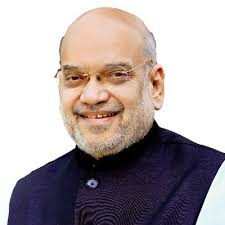
Amit Shah
Amit Anilchandra Shah (born 22 October 1964) is an Indian politician who has served as the 32nd Minister of Home Affairs since 2019, the longest-serving holder of the office in Indian history
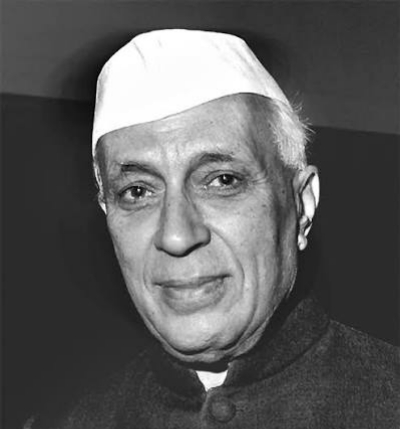
Jawaharlal Nehru
Jawaharlal Nehru was an Indian anti-colonial nationalist, secular humanist,social democrat, and statesman
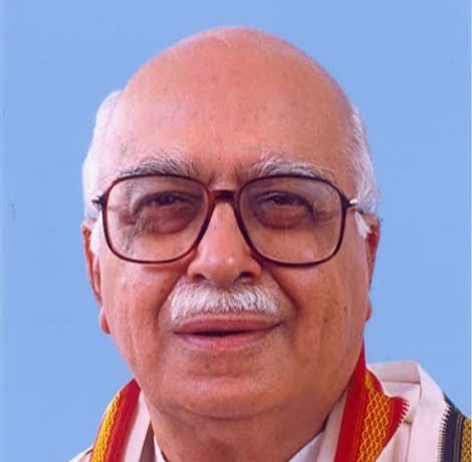
Lal Krishna Advani
Lal Krishna Advani (born 8 November 1927) is an Indian lawyer, politician and statesman who served as the 7th Deputy Prime Minister of India from 2002 to 2004
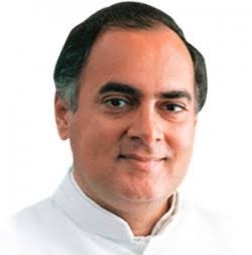
Rajiv Gandhi
Rajiv Gandhi was an Indian politician and pilot who served as the prime minister of India from 1984 to 1989 for two terms.
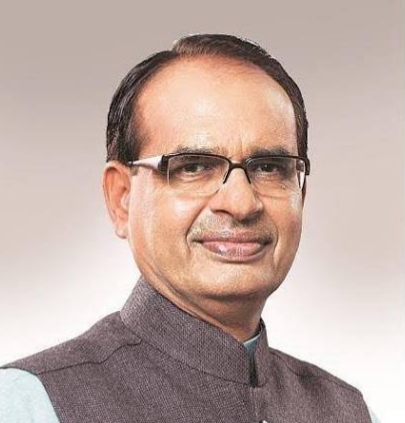
Shivraj Singh Chouhan
Union Minister of Agriculture & Farmers' Welfare and Rural Development
Auto-linked via import queue…
All data sourced from verified public references.
Government of India
Wikipedia
[https://en.wikipedia.org/wiki/Government_of_India](https://en.wikipedia.org/wiki/Government_of_India) →The Constitution of India
Government of India