
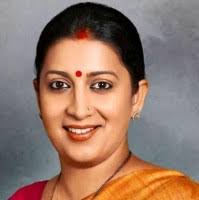
Smriti Irani
Indian Politician and Former Actress
🌍 Indian · Born March 23, 1976
About
Smriti Zubin Irani is a prominent Indian politician, former television actress, and producer. She served as a Minister in the Union Cabinet of India under Prime Minister Narendra Modi, holding key portfolios including the Ministry of Women and Child Development, the Ministry of Minority Affairs, the Ministry of Human Resource Development, and the Ministry of Information and Broadcasting. Irani represented the Amethi constituency in the Lok Sabha from 2019 to 2024, achieving a historic electoral victory over Rahul Gandhi in 2019. Before her political career, she was a highly successful actress in the Indian television industry, best known for her iconic role as Tulsi Virani in the popular soap opera Kyunki Saas Bhi Kabhi Bahu Thi, which made her a household name across India. Born and raised in Delhi, she participated in the Miss India pageant in 1998 before moving to Mumbai to pursue acting. In 2003, she joined the Bharatiya Janata Party and quickly rose through the ranks due to her formidable debating skills and leadership. She has been a member of the Rajya Sabha and has held various executive positions within the BJP, representing India at several international forums. Her transition from a leading media personality to one of the country's most influential political leaders remains a prominent narrative in modern Indian public life.
Intelligence Summary
Top Connections
Television Breakthrough
Cast in the lead role of Tulsi Virani in Kyunki Saas Bhi Kabhi Bahu Thi, becoming a household name in India.
Joined BJP
Formally entered Indian politics by joining the Bharatiya Janata Party.
Elected to Rajya Sabha
Sworn in as a Member of Parliament in the Rajya Sabha representing the state of Gujarat.
Union Cabinet Minister
Appointed as the Minister of Human Resource Development in the first Narendra Modi government.
Historic Amethi Victory
Defeated Congress President Rahul Gandhi in the Amethi constituency during the general elections and became Minister of Women and Child Development.
Left Parliament
Concluded her tenure as a Member of Parliament and Union Minister after the 2024 general elections.
All data sourced from verified public references.