
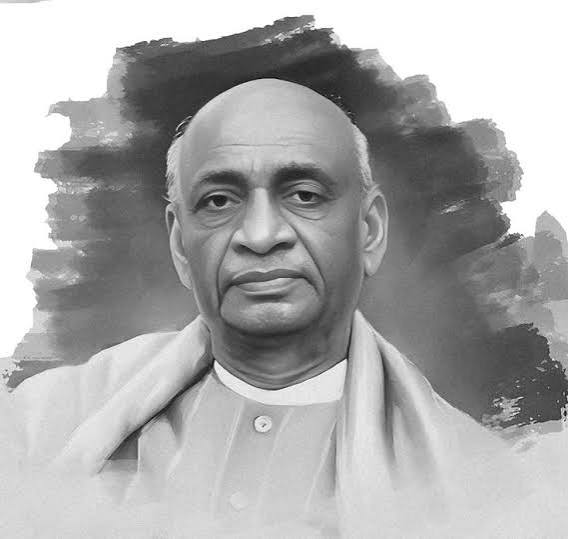
Sardar Vallabhbhai Patel
First Deputy Prime Minister and Home Minister of India
🌍 Indian · Born October 31, 1875 · Died December 15, 1950
About
Sardar Vallabhbhai Patel, popularly known as the Iron Man of India, was a pioneering statesman and one of the founding fathers of the Republic of India. Born on October 31, 1875, in Gujarat, Patel went on to study law in England and established a highly successful practice as a barrister in Ahmedabad. His life took a transformative turn when he met Mahatma Gandhi, leading him to dedicate himself entirely to the Indian independence movement. He rose to prominence by organizing peasants from Kheda and Bardoli in non-violent civil disobedience, where he earned the title Sardar, meaning chief or leader. As a senior leader of the Indian National Congress, he played an influential role in organizing national campaigns and presiding over the Karachi session in 1931. Following India's independence in 1947, Patel assumed office as the nation's first Deputy Prime Minister and Home Minister. His greatest legacy lies in his masterful diplomacy and administrative skill in integrating more than 500 self-governing princely states into the newly independent Indian Union, thereby preventing the balkanization of the subcontinent. He also laid the foundation for the modern All India Services, earning him the moniker of the patron saint of India's civil servants. Sardar Patel passed away on December 15, 1950, leaving behind an enduring legacy of national unity and strong governance. In 2018, the Government of India dedicated the Statue of Unity, the world's tallest statue, to honor his monumental contributions to the nation.
Intelligence Summary
Top Connections
Birth in Gujarat
Born in Nadiad, Bombay Presidency, British India, to a Kutchi Lewa Patel family.
Returned to India as a Barrister
Completed his law studies at Middle Temple in London and returned to establish a successful practice in Ahmedabad.
Led Kheda Satyagraha
Organized a successful tax-relief campaign for farmers in Kheda during a severe famine, working alongside Mahatma Gandhi.
Led Bardoli Satyagraha
Led the Bardoli farmers against an unjust land revenue hike, earning the legendary title of 'Sardar'.
Elected Congress President
Presided over the crucial Karachi session of the Indian National Congress, which adopted resolutions on Fundamental Rights and Economic Policy.
First Deputy PM and Home Minister
Appointed India's first Deputy Prime Minister and Home Minister following independence, leading the integration of 562 princely states.
Demise in Bombay
Passed away following a heart attack in Bombay, leaving behind a united sovereign nation.
All data sourced from verified public references.
Patel: A Life
Navajivan Publishing House